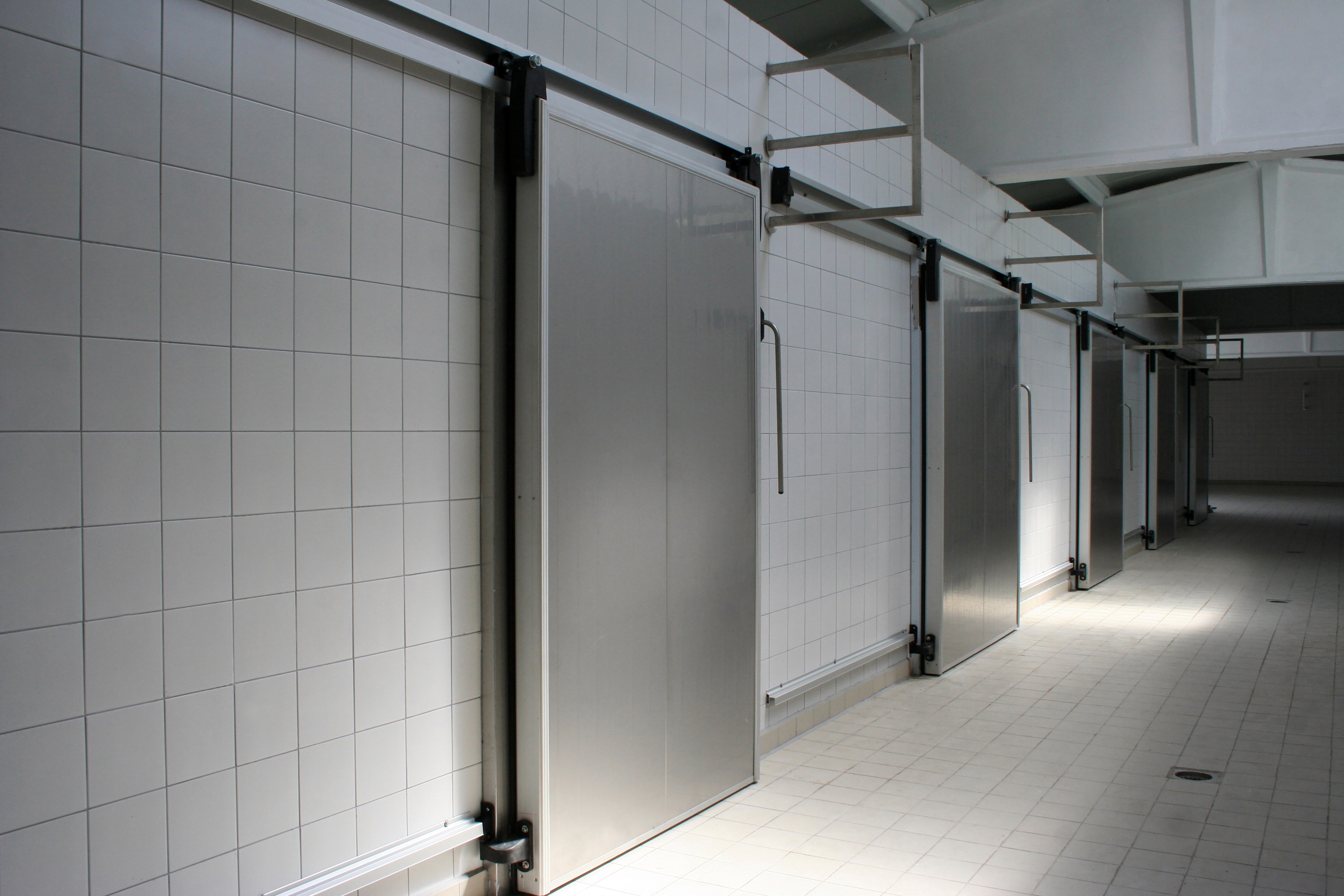
7 Critical Issues to Consider When Investing in Cold Storage
Ensuring products reach consumers while preserving quality in sensitive sectors such as food, pharmaceuticals, and chemicals requires a flawless supply chain. One of the most important links in this chain is cold storage facilities. Although growing demand makes cold storage investment a highly profitable venture, these investments require high capital, and even a small mistake in the planning stage can turn into major operating costs later on.
So, which steps should you focus on to establish a profitable and long-lasting facility? Here are the 7 critical issues you must consider when investing in a cold storage warehouse.
1. Strategic Location Selection
The location of a cold storage facility directly affects your logistics costs. The facility should be close to main roads, ports, or target markets (wholesale markets, supermarket distribution centers, etc.). In addition, an area with wide roads that heavy vehicles can maneuver on should be selected, and it should be ensured that the region's power infrastructure is suitable for uninterrupted high energy demand.
2. Capacity and Needs Analysis Aligned with Purpose
Each product has different storage conditions. While meat products require freezer rooms (-18°C / -25°C), fresh fruits and vegetables are stored in cool rooms (+2°C / +8°C). Before investing:
Which products will be stored,
Daily goods inflow/outflow (tonnage) volume,
How long storage will be required must be clearly determined.
These data will directly shape the size of the rooms and the design of the racking systems.
3. High-Level Insulation and Thermal Protection
The largest expense item in cold storage facilities is energy. Sandwich panels filled with polyurethane (PUR) or polyisocyanurate (PIR) should be used to prevent cold air inside from escaping and heat outside from entering.
Insulation should not be limited to walls and roof; floor insulation and door sealing should also be carefully engineered. Improper insulation causes the cooling units to work continuously at full capacity and leads to early wear of the system.
4. Choosing the Right Cooling System
Choosing the most suitable refrigerant (freon, ammonia, or carbon dioxide) and compressor type for your needs is the heart of the job. The system capacity should be calculated according to the warehouse's maximum load capacity, but an unnecessarily large system should not be chosen, as this would waste the initial investment cost. In addition, the system must include standby units to prevent products from spoiling in the event of a possible malfunction.
5. Energy Efficiency and Sustainability
To minimize electricity costs, new-generation inverter compressors and energy recovery systems should be preferred. Waste heat from the system can be used to heat the facility's offices or meet hot water needs. In addition, designing the roof to be suitable for solar energy panel (PV) installation will significantly reduce the business's long-term energy costs.
6. Automation and Remote Monitoring Systems
In modern cold storage facilities, monitoring temperature and humidity 24/7 is vital. Thanks to smart automation systems:
Temperature changes in the rooms can be monitored instantly from a mobile phone.
The system automatically issues an alarm when critical limits are exceeded.
Historical temperature reports can be obtained, making inspections (ISO, HACCP) easier.
7. Legal Regulations, Permits, and Government Incentives
Before starting the investment, zoning plans, environmental regulations, and food safety standards in the region (Ministry of Agriculture and Forestry requirements) should be thoroughly reviewed. At the same time, cold storage investments receive significant grants and incentives in many regions through programs such as the Agricultural and Rural Development Support Institution (ARDSI) or IPARD. Taking advantage of these incentives greatly shortens the return on investment (ROI) period.
Result
A cold storage investment is a professional process that requires engineering and detailed planning from start to finish. Acting by taking into account not only the initial investment cost (Capex) but also the operating costs (Opex) that will arise over the life of the warehouse will always put you one step ahead in the sector.
